Spinal Decompression in Spring Lake
If disc problems in your neck or lower back are keeping you from work, stealing your sleep, or stopping you from doing the things you love, you might feel like surgery is your only way forward. We hear this all the time from people who’ve already tried chiropractic adjustments, physical therapy, or even injections—without the lasting relief they hoped for.
Here’s the good news: spinal decompression at Well Adjusted Chiropractic offers a gentle, non-surgical way to target the disc itself, not just the muscles around it. Dr. Michael Weiss is focused on delivering real results and keeping you informed every step of the way—so you always know what’s happening and why.
NEW PATIENTS
How Spinal Decompression Actually Works
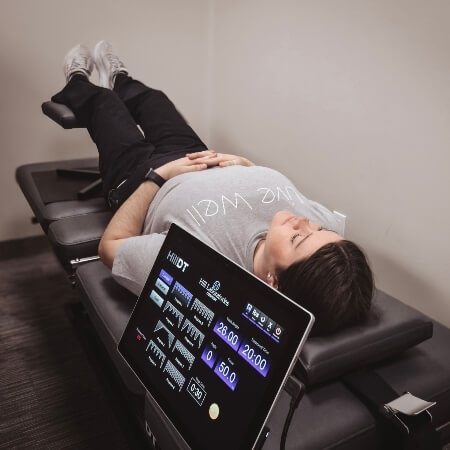
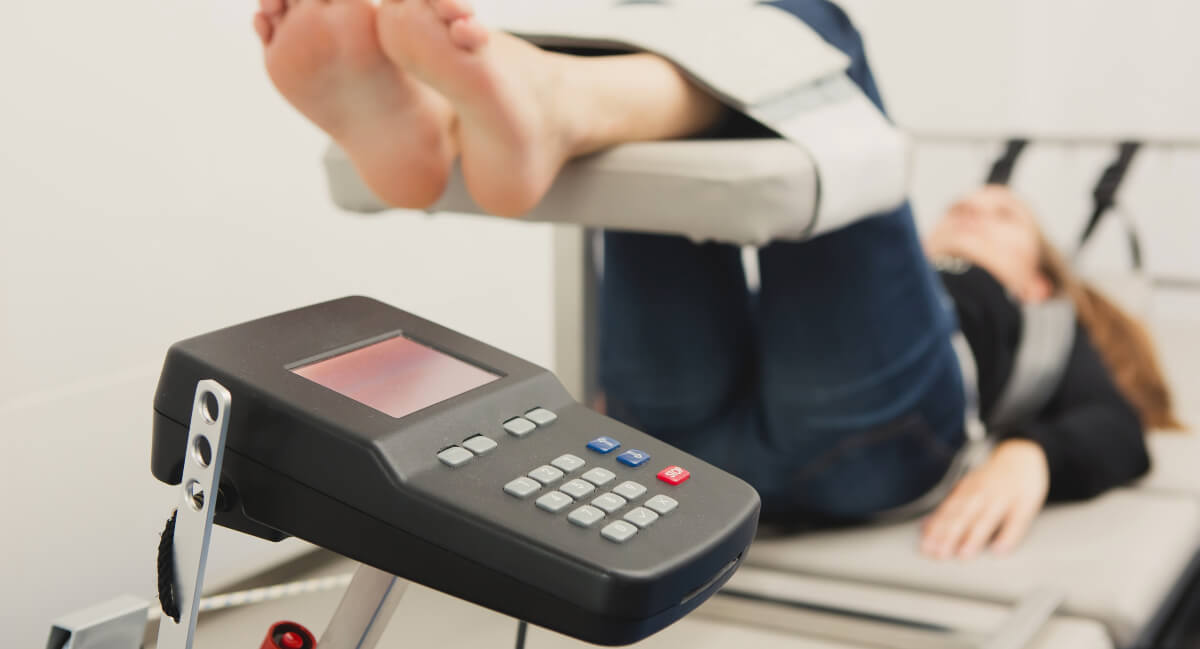
Think of spinal decompression as a way to give your injured disc the space and environment it needs to heal. You’ll lie comfortably on a specialized motorized table while a computer-controlled system gently stretches your spine in a precise, rhythmic pattern.
This creates a vacuum-like effect inside the damaged disc, which helps:
- Draw bulges back inward where they belong
- Bring in healing nutrients and fluids
- Take pressure off irritated nerves
At Well Adjusted Chiropractic, Dr. Weiss uses the Hill DT spinal decompression table—a computer-guided system that maintains steady, controlled traction to create the strong disc vacuum your body needs to truly heal.
Is This Right for You?
Spinal decompression works especially well when disc problems are causing pain that radiates down your arms or legs. You might be a great candidate if you’re dealing with:
- Herniated or bulging discs
- Degenerative disc conditions
- Numbness, tingling, or weakness in an arm or leg
- Sciatica-type leg pain or nerve irritation
Dr. Weiss won’t recommend decompression if there’s cancer or a fracture in the treatment area. He’s also cautious with multi-level spinal fusions, though people with single-level fusions may still be good candidates.
Your Personalized Care Plan
No two spines are exactly alike, so your plan will be based on your specific exam findings and imaging. Research shows that 24 visits over 10-12 weeks gives discs the best chance to heal properly—but some people need fewer sessions depending on their situation.
Most patients start noticing meaningful improvement somewhere between weeks 2 and 6 of care. Each session builds on the one before it, so staying consistent with your plan is key to getting the results you’re looking for.
Take the Next Step Toward Relief
If you’re weighing surgery or still struggling with disc-related neck or lower back pain, spinal decompression might be the safer, gentler option you’ve been searching for. Reach out today to schedule a consultation and find out if this advanced technology is right for you.